

To Gatekeep or Not to Gatekeep? That's the Question. Selective Sharing Is the Answer.
When you find something genuinely good (a place, a person, a service) you want it to stay good. You want it to stay available. And in a world where anything can go viral overnight, the instinct to hold your best recommendations close to your chest is understandable.
But here's the flip side, and it's one I've experienced firsthand: over-gatekeeping has consequences too. Small businesses, independent practitioners, solo operators: they need customers. They need word of mouth. If everyone in their life is doing the same thing, they might quietly close up shop, move on, or burn out. And then you've got nobody.
I've had this happen. A place I loved, that I'd kept almost entirely to myself out of some protective instinct, closed down. And I couldn't help but wonder…if I'd sent just a few more people their way, would they still be there?
So what's the move?
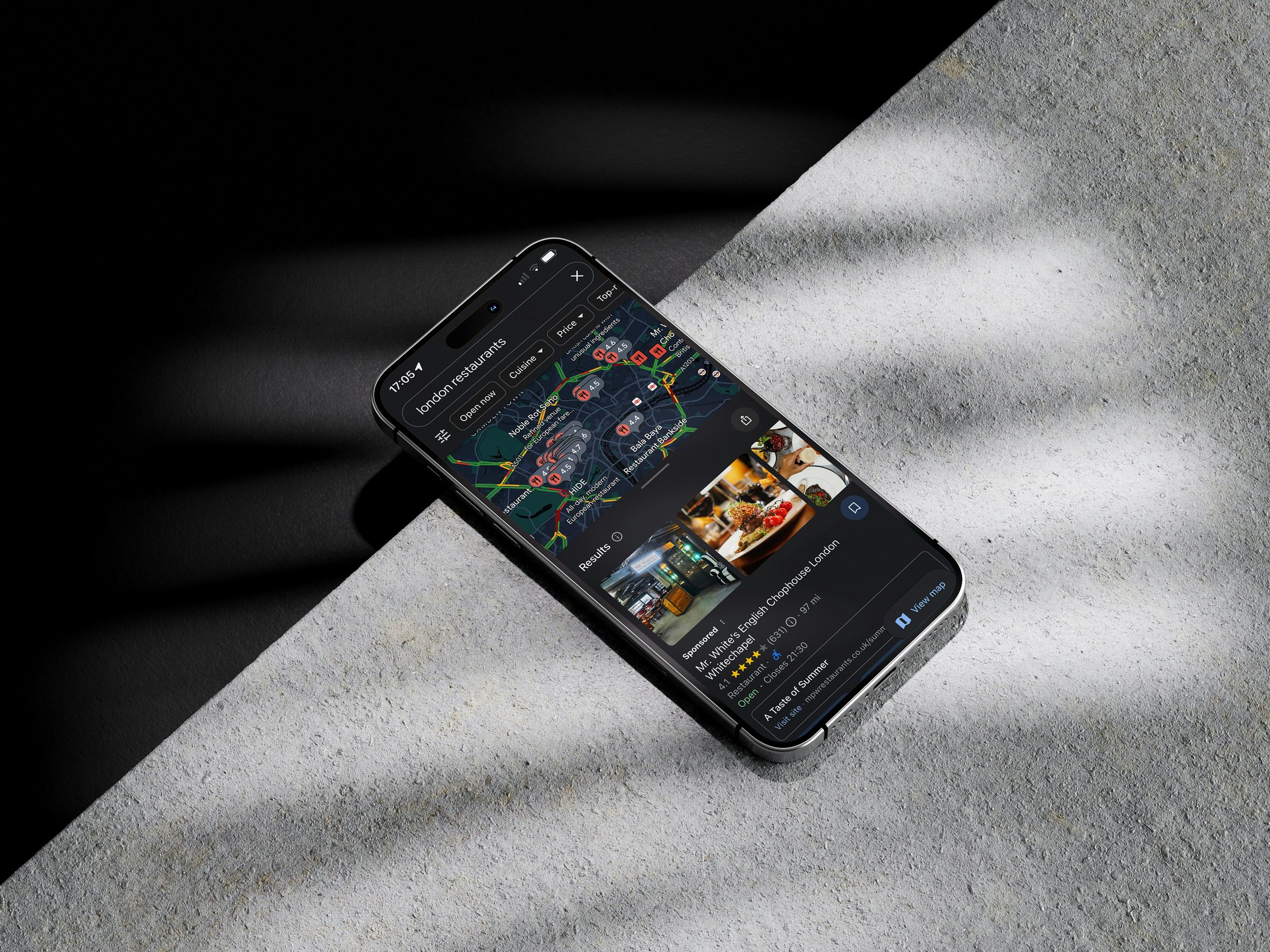
The Fake Review Epidemic: Why Trust Is Broken
The Fake Review Epidemic: Why Trust Is Broken
For more than a decade, online reviews were meant to simplify our lives. A shortcut to truth. A way to choose a hotel we’d love, a restaurant that wouldn’t disappoint or an experience worthy of our time and money.
But that promise has eroded.
Quietly. Systemically. Globally.

AI, Fake Profiles & the Collapse of Online Trust
There was a time when the internet felt human.
Social media felt alive, messy, funny, opinionated, imperfect and very clearly real. When someone recommended a hotel, a café, or a local service, you trusted that it came from an actual person.
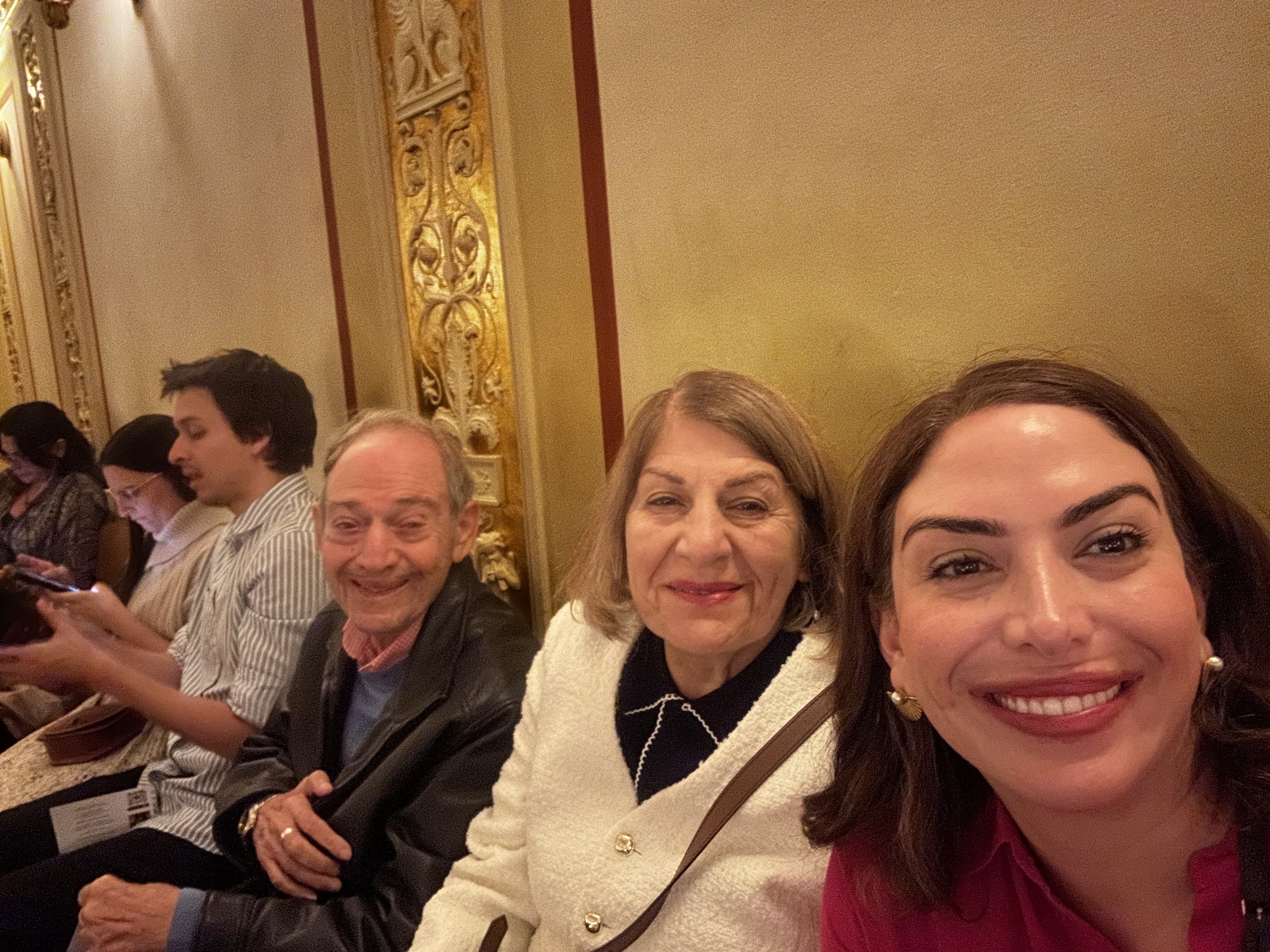
I’m the Friend Everyone Asks for Recommendations
Earlier this year, I was travelling with my parents for their 49th wedding anniversary, a milestone that felt tender, important and irreplaceable. Vienna had always been on my mum’s dream list, and I wanted to make the trip unforgettable.
So I did what millions of people do every day:
I researched.
Endlessly.
The LinkedIn Paradox
LinkedIn Promised Us a Professional World. It Gave Us a Highlight Reel Instead.
I want to talk about something that has quietly driven me insane for the last few months.
I've been in the thick of launching TruRex (and alongside that, juggling a handful of other projects) which means I've needed to find and hire a small army of professionals. Developers. Photographers. Graphic designers. Boutique PR agencies. Freelancers of various shapes and sizes.
Sounds straightforward, right? We live in the most connected era in human history. There are entire platforms built for professional discovery. This should be easy.
Reader, it was not easy.
How a Scam Turned Into a Mission: The Story Behind TruRex
Most startups begin with a spark, an idea, a frustration, a quiet moment of clarity. TruRex began with something far less elegant: I was scammed.
Like many people, I relied on what appeared to be credible online reviews. The platform seemed trustworthy, the comments looked authentic, the experience was rated highly and yet, the moment I arrived, it was clear I’d been completely misled. I lost money, time, and confidence. But the deeper sting was emotional: how had it become so hard to know what (or who) to trust anymore?
I’ve spent my entire career across global communications and corporate affairs, helping businesses build trust, navigate complexity and communicate transparently. And yet even I couldn’t see through the noise, the fake reviews, the hidden incentives, the polished algorithms. That moment stayed with me.